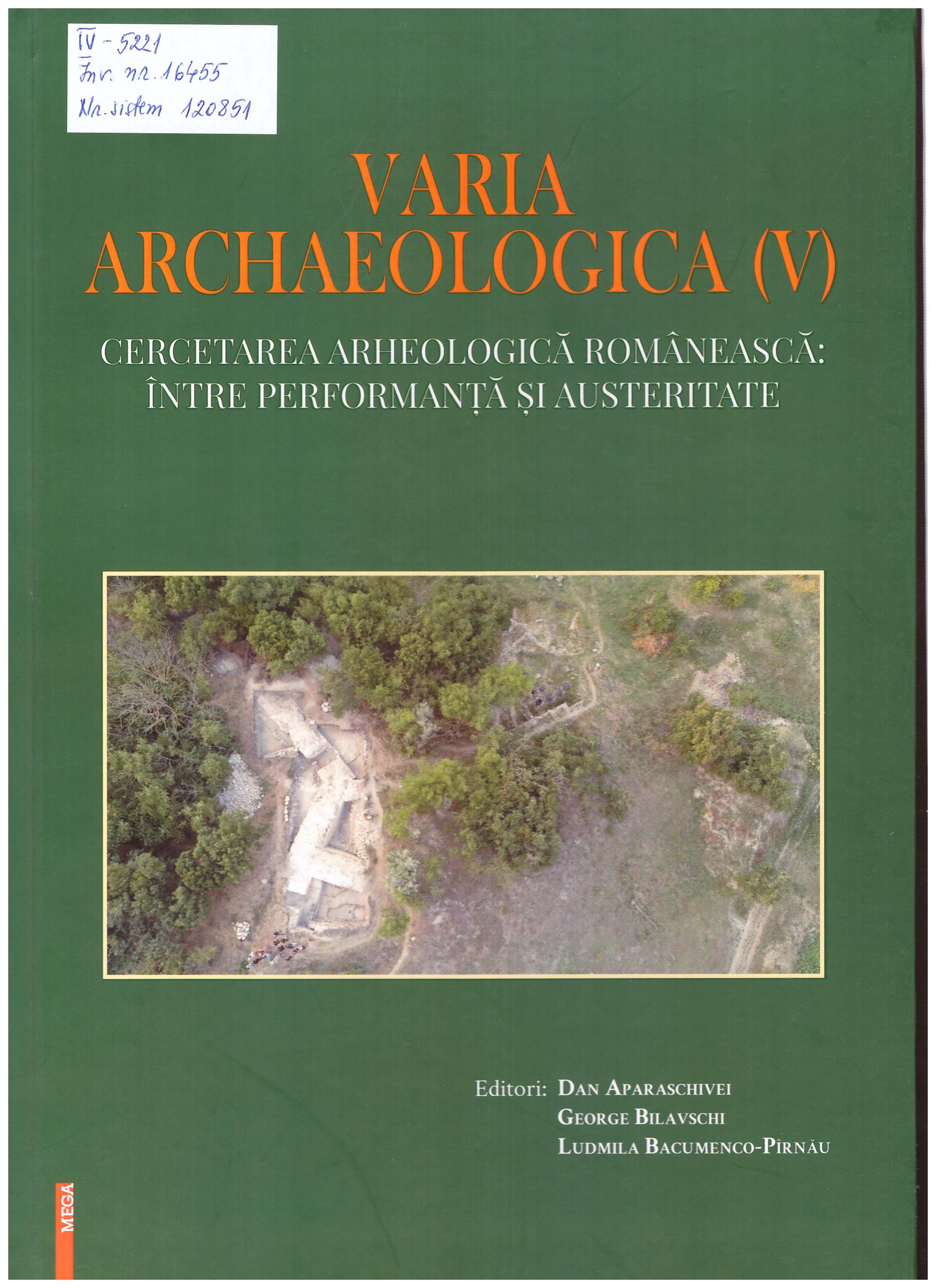
Varia Archaeologica
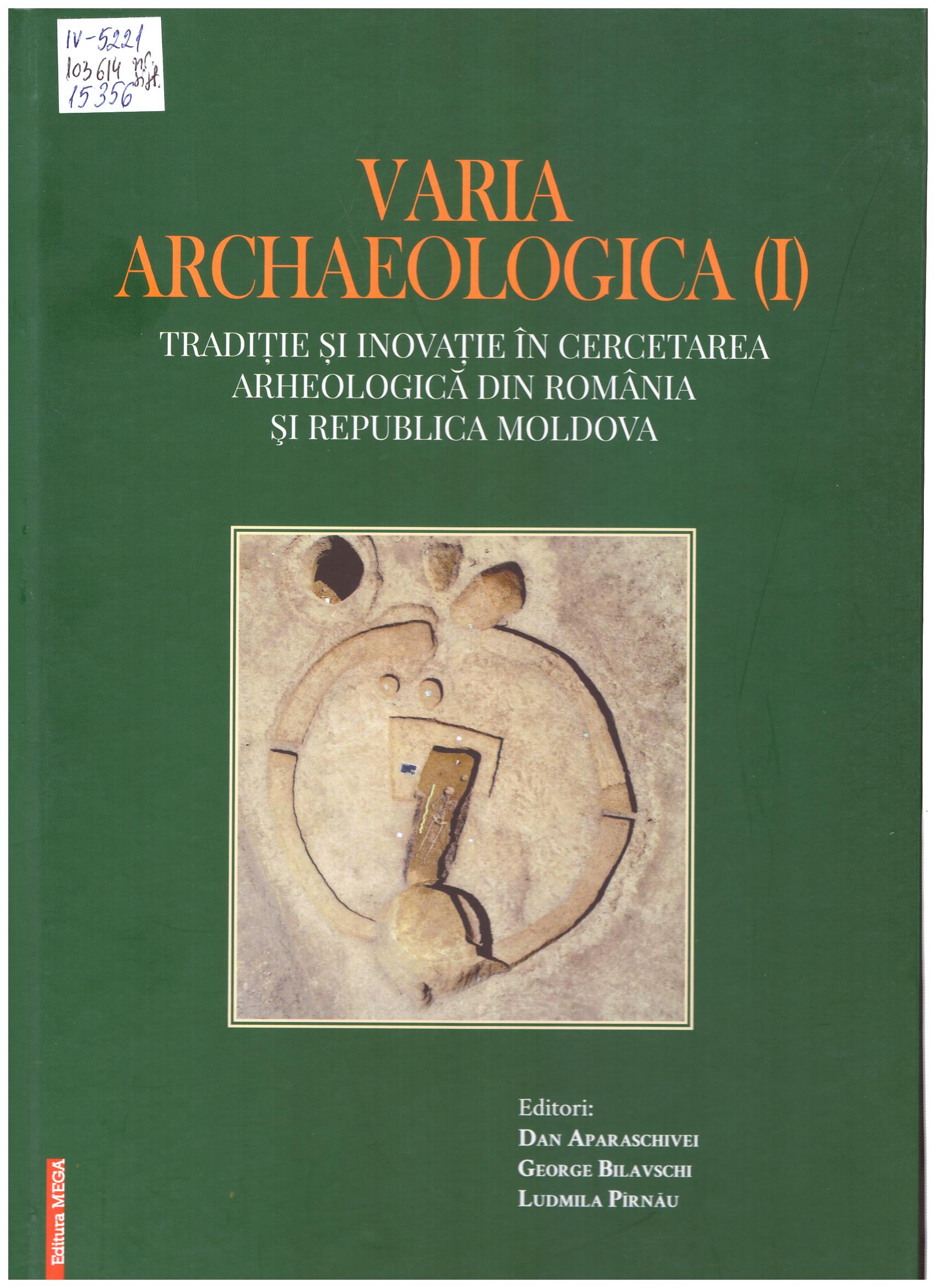
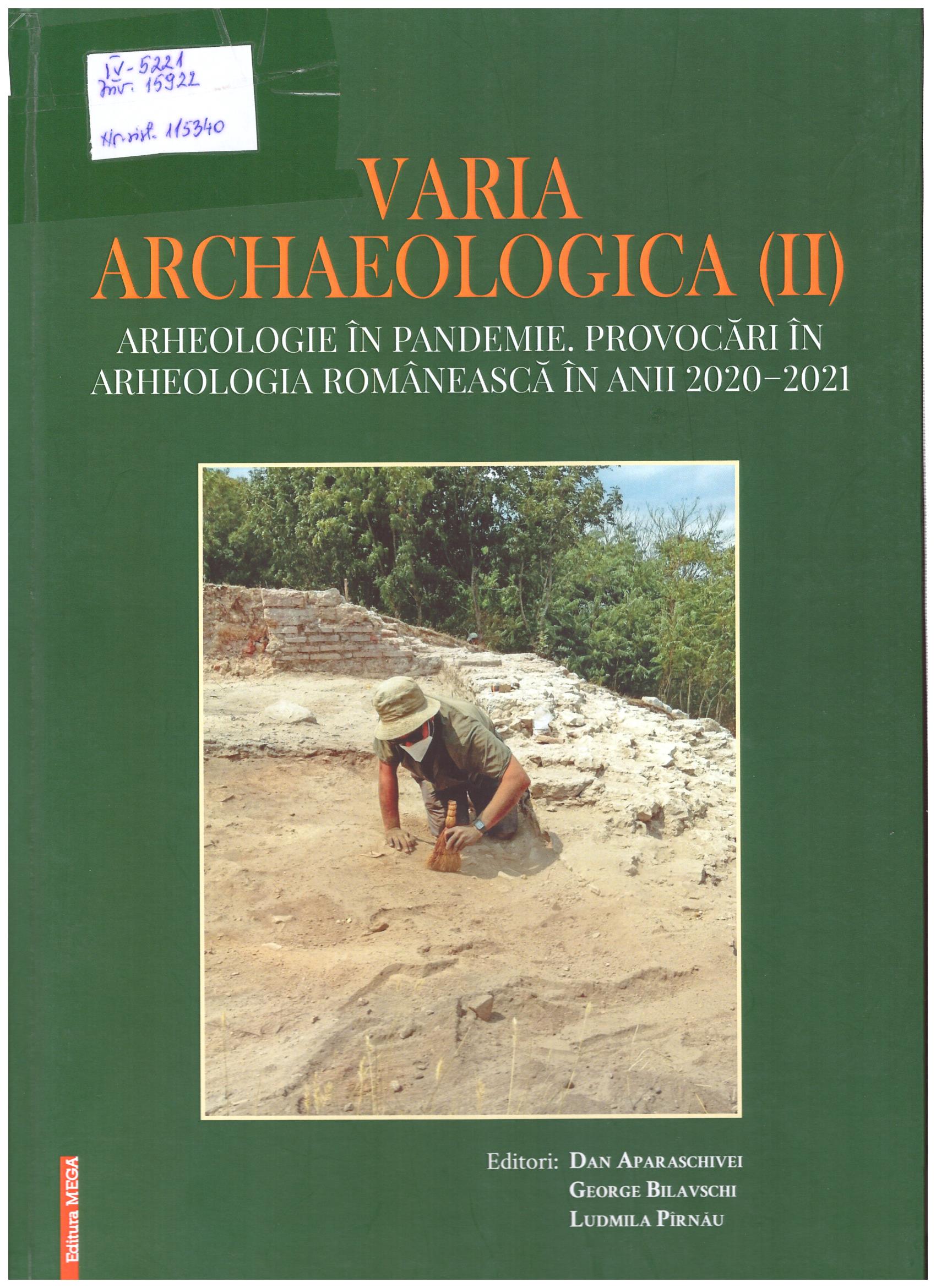
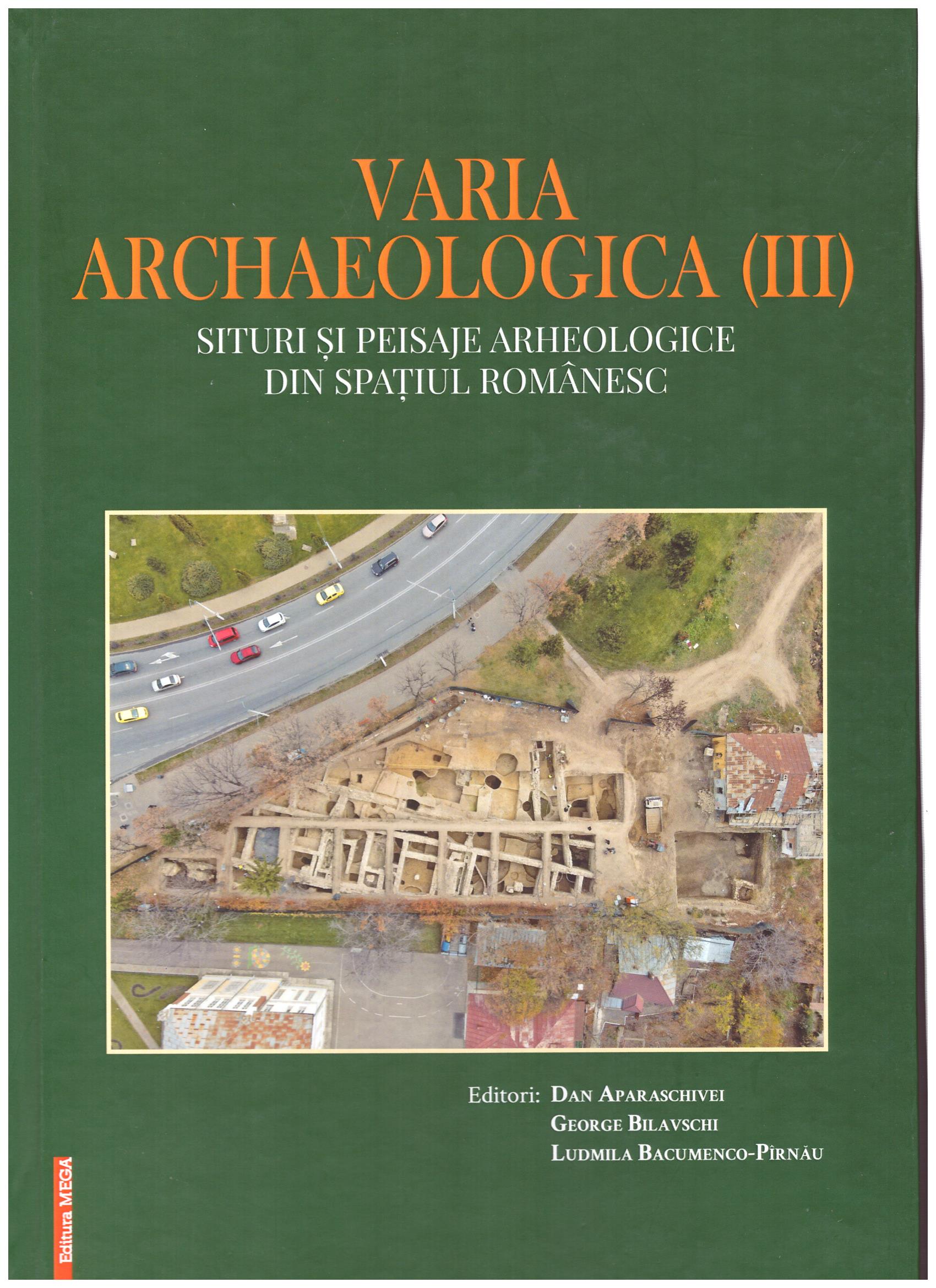
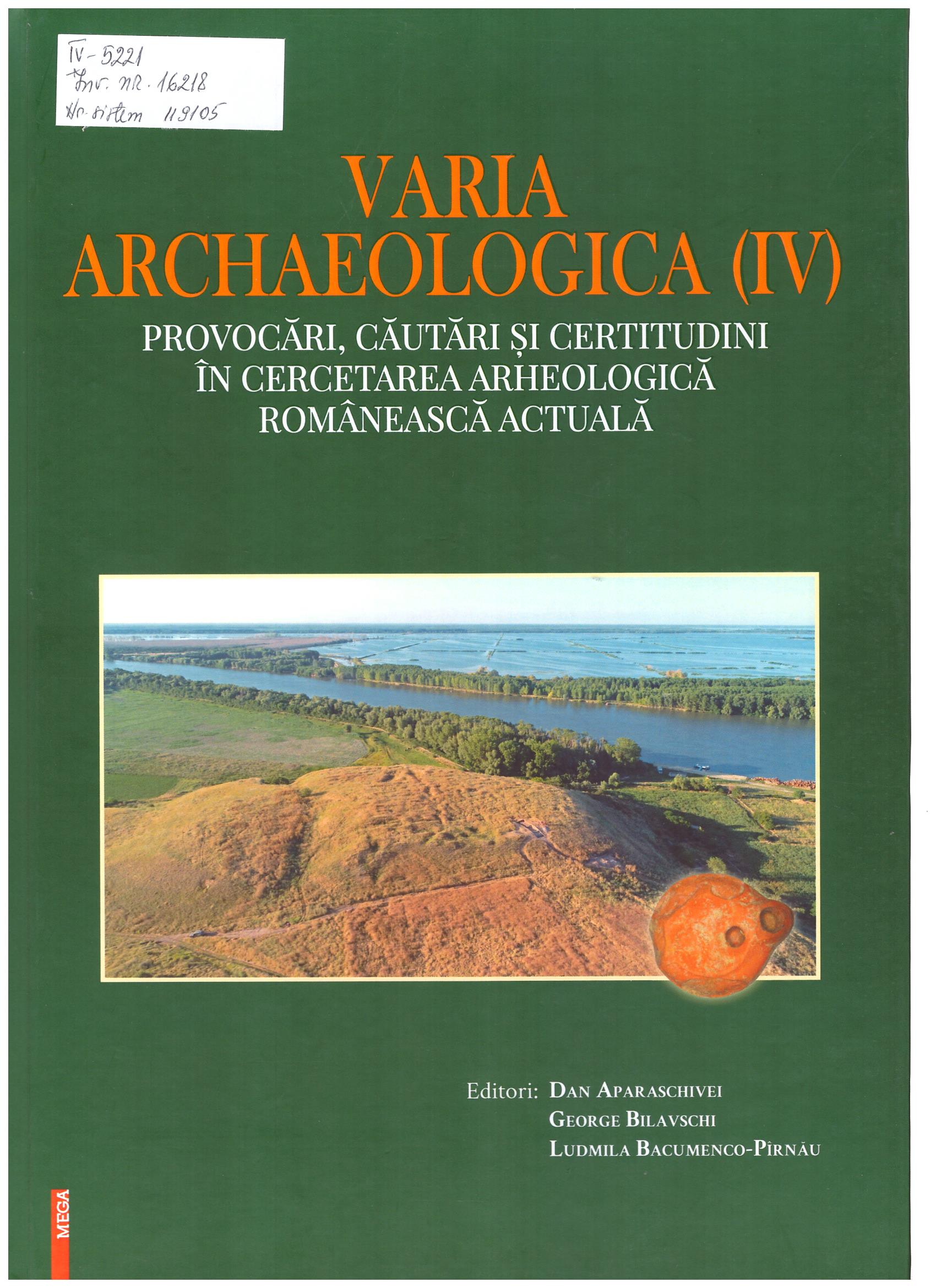
The VARIA ARCHAEOLOGICA series, coordinated by Dr. Dan Aparaschivei and George Bilavschi, represents an established editorial project primarily dedicated to the publication of papers presented at the Annual National Conference of Archaeology, organized by the Institute of Archaeology in Iași of the Romanian Academy – Iași Branch. The series also includes monographic works in the field of archaeology.
To date, five volumes have been published: Varia Archaeologica (I). Tradition and Innovation in Archaeological Research in Romania and the Republic of Moldova (2020); Varia Archaeologica (II). Archaeology in Times of Pandemic. Challenges in Romanian Archaeology during 2020–2021 (2022); Varia Archaeologica (III). Archaeological Sites and Landscapes in the Romanian Area: Complexes, Contexts, Artefacts (2023); Varia Archaeologica (IV). Challenges, Explorations and Certainties in Contemporary Romanian Archaeological Research (2024); Varia Archaeologica (V). Romanian Archaeological Research: Between Performance and Austerity (2025), edited by Dan Aparaschivei, George Bilavschi, and Ludmila Bacumenco-Pîrnău.
The series brings together valuable scholarly contributions from both established researchers and early-career scholars, affiliated with research centres across Romania (Arad, Bucharest, Botoșani, Buzău, Chișinău, Cluj-Napoca, Constanța, Iași, Piatra Neamț, Roman, Sibiu, Timișoara, Târgu Neamț, Tulcea, among others), as well as from abroad. With its diverse thematic scope, the Varia Archaeologica volumes aim to reflect the breadth of archaeological activity and the application of modern research methods, both in well-known sites and in areas recently integrated into the archaeological research landscape of Romania and the Republic of Moldova.
The commitment and professionalism demonstrated by the contributing authors encourage the editors to continue developing this editorial project. The series is published by the prestigious Mega Publishing House in Cluj-Napoca.
Ultimately, all researchers involved in complex archaeological projects share the aspiration that the competent institutions of the Romanian state will approach the protection and management of cultural heritage with responsibility and expertise, provide an appropriate framework for its valorisation as a universal cultural asset, and fully recognize its importance in the historical development of Romanian society.