Aegyssus
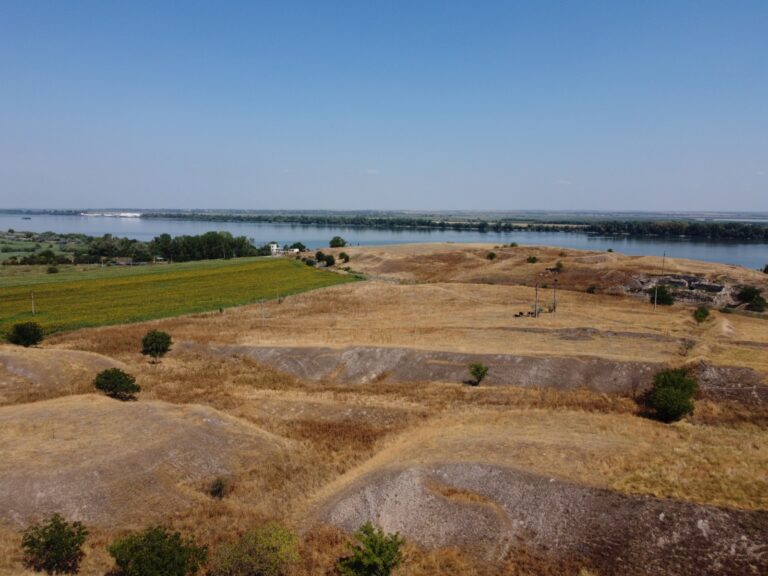
The Aegyssus fortress, located on the “Colnicul Hora” promontory in Tulcea, is one of the most important archaeological sites in Dobrogea, with a history beginning in the 4th–3rd centuries BC and continuing into the Middle Ages. Incorporated into the Danubian limes during the Roman period, the site developed into an important military centre and later became an episcopal seat.
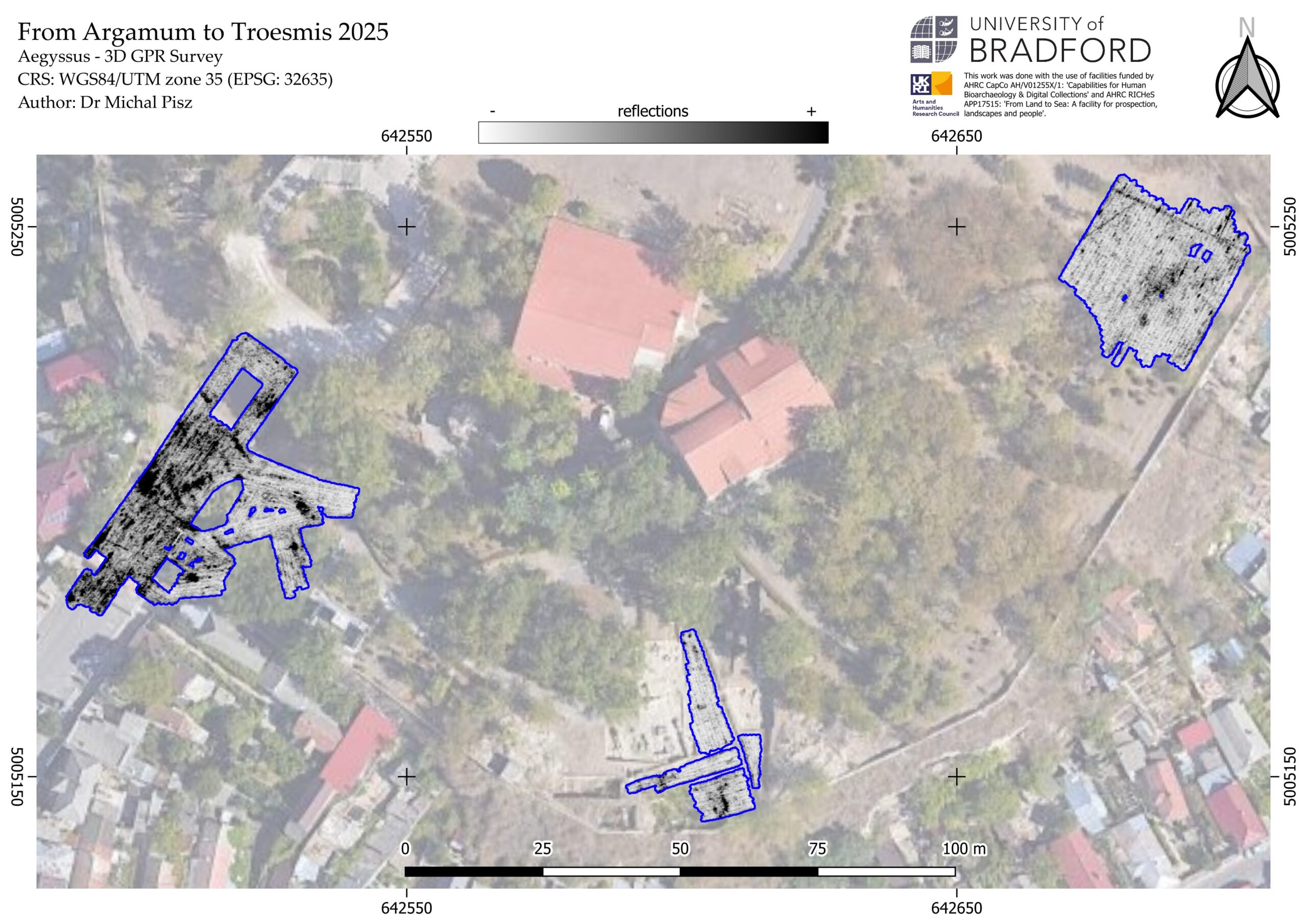
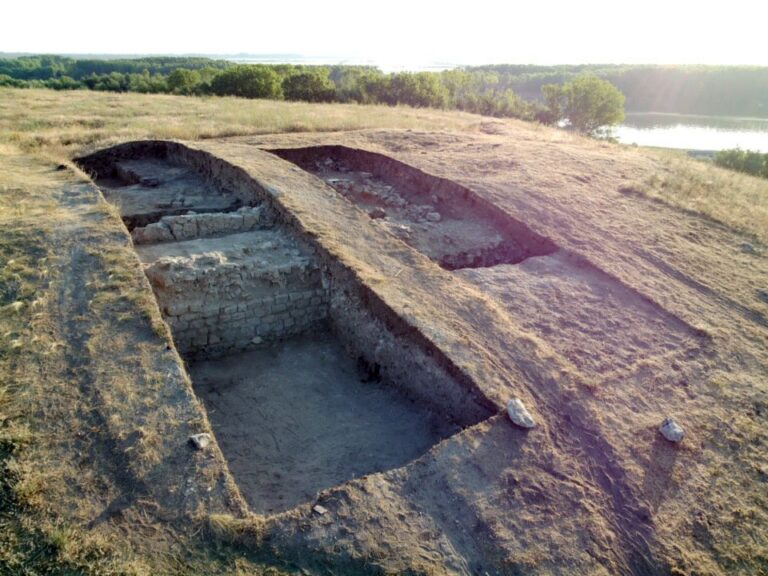
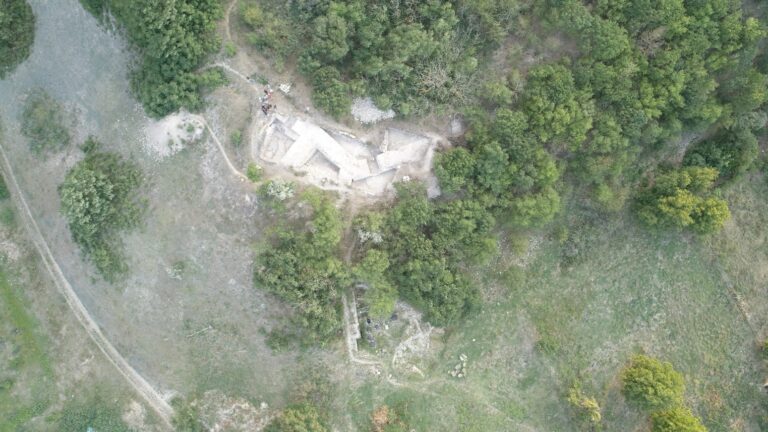
Systematic archaeological research, initiated in the 1970s, was resumed in 2015 and continues today through the collaboration between the “Gavrilă Simion” Eco-Museum Research Institute in Tulcea and the Institute of Archaeology in Iași. Since 2017, investigations have been carried out annually across several sectors of the site, also benefiting from interdisciplinary approaches.
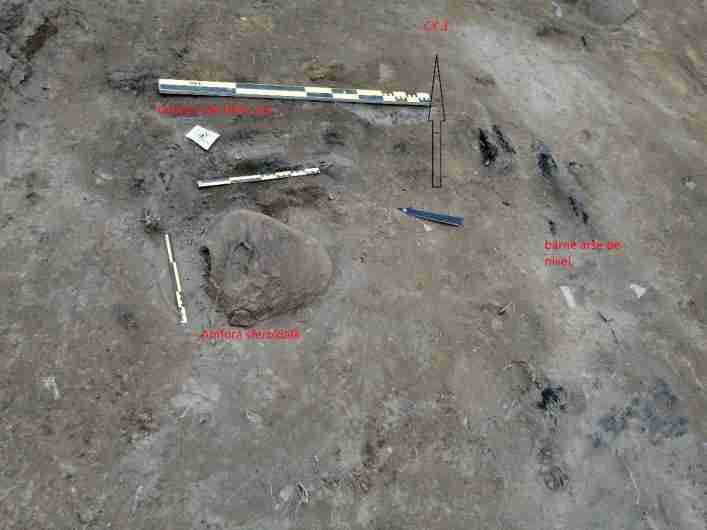
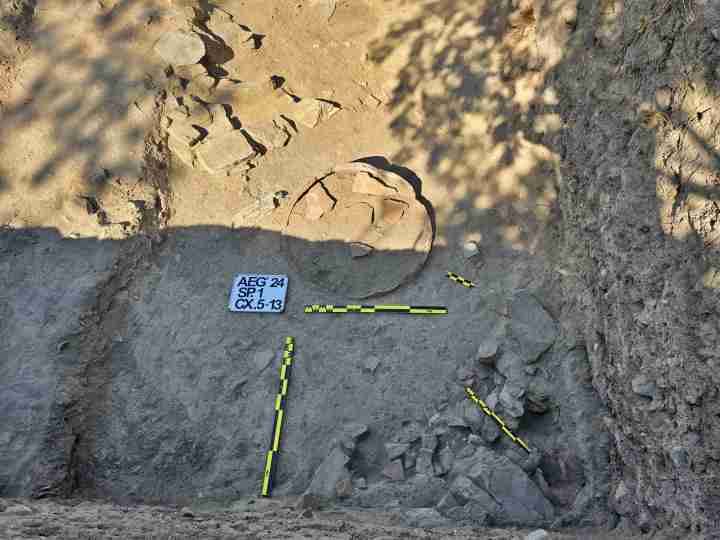
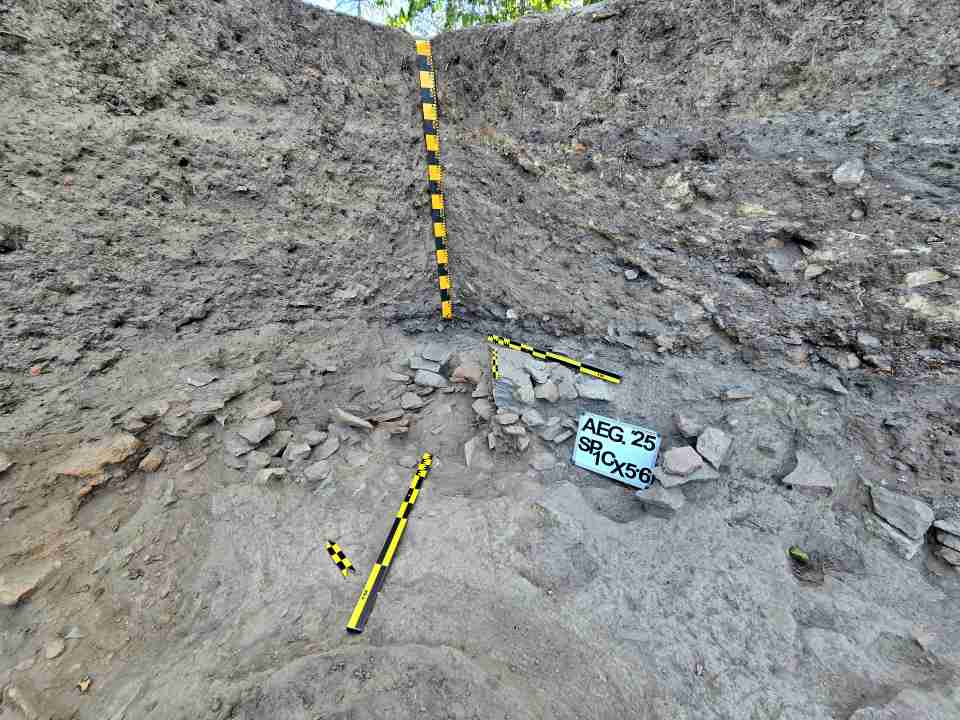
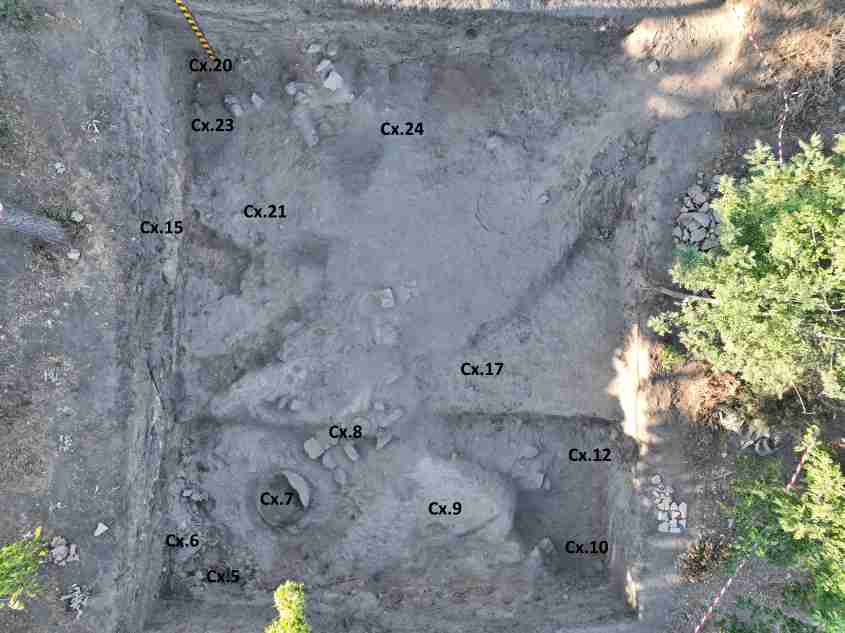
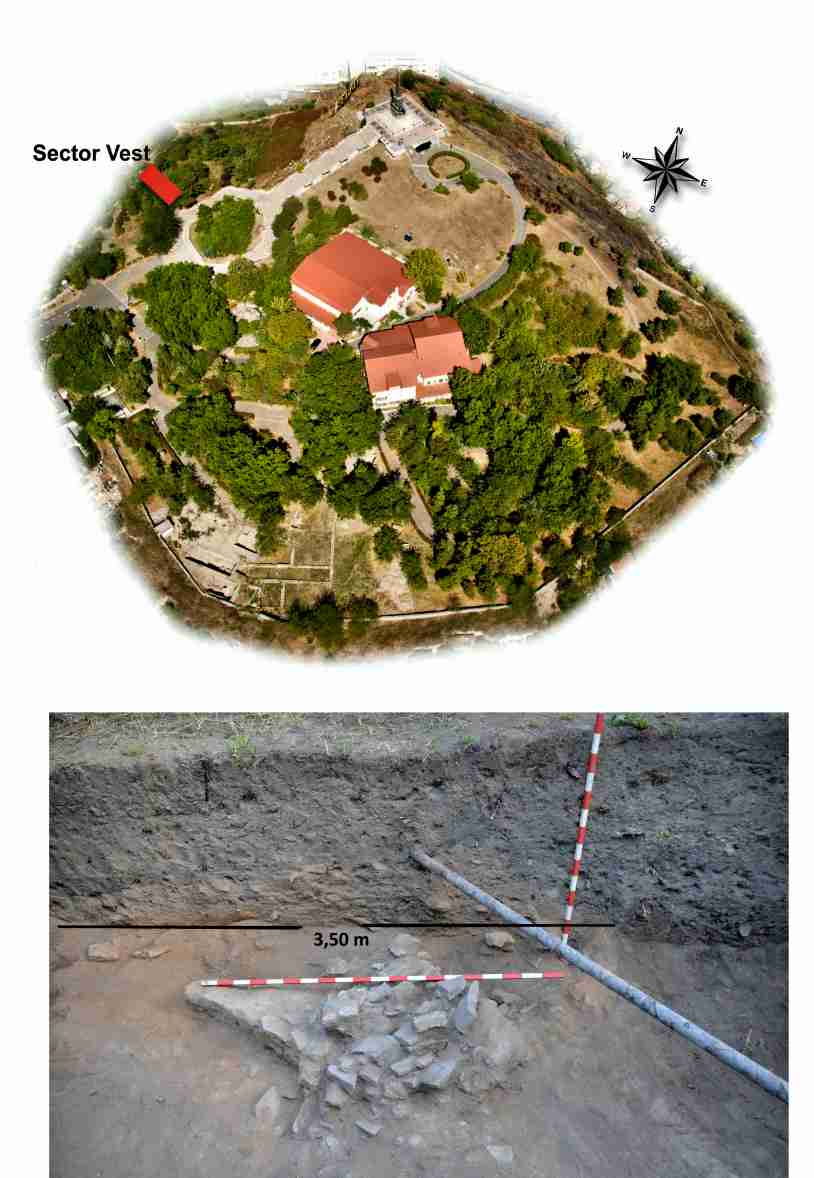
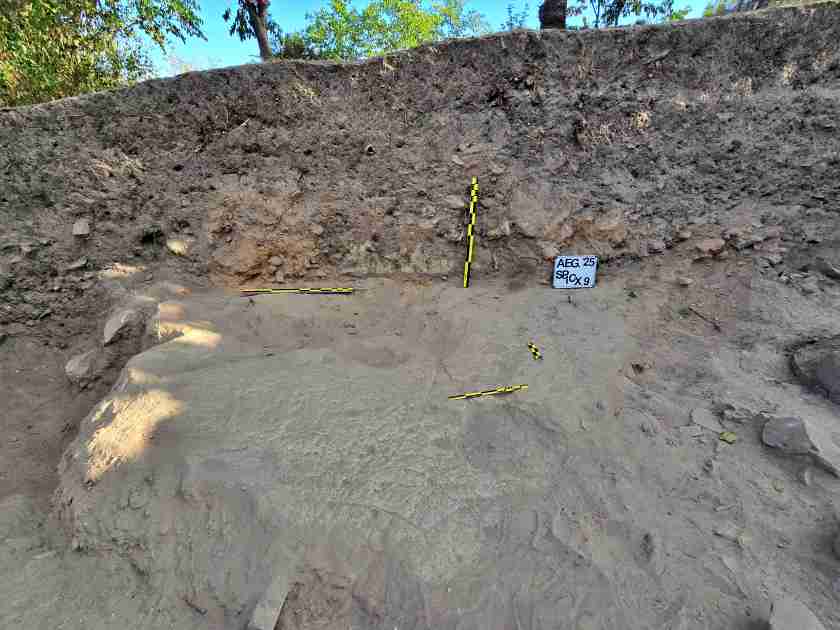
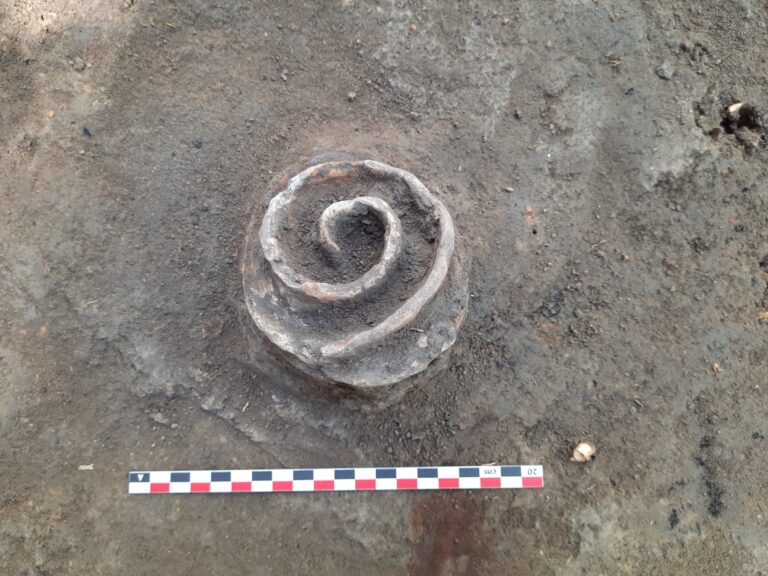
In the “West” sector, recent excavations have revealed habitation structures dating to the Late Roman and Byzantine periods, including dwellings destroyed by fire, stone-built features with multiple construction phases, and a rich assemblage of finds, such as ceramics, Roman and medieval coins, and glass artefacts. These discoveries contribute to a better understanding of settlement dynamics and urban organisation within the fortress.
Future research will focus on expanding the investigated areas and integrating the results into a comprehensive monograph dedicated to the Aegyssus site.