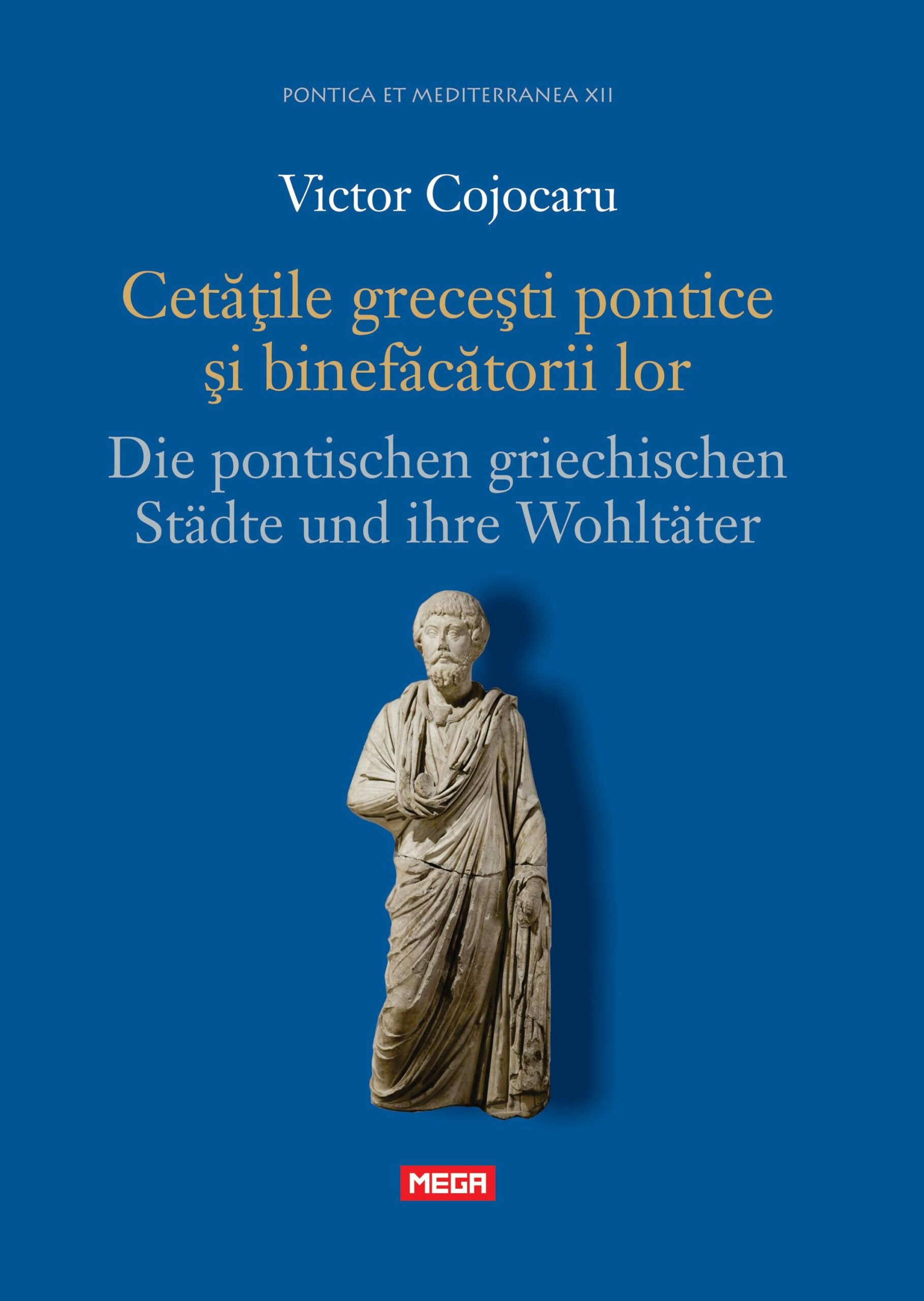
Conducted by Dr. Victor Cojocaru at the Institute of Archaeology in Iași, the project “Pontic Greek Cities and Their Benefactors” represents a major scholarly contribution to the study of the ancient Black Sea world. Bringing together epigraphic, historical, and socio-political analysis, the project offers the first comprehensive monographic synthesis of euergetism – the practice of public benefaction – in the Greek cities of the Pontic region.
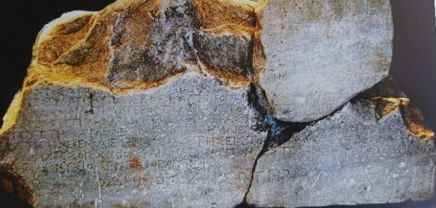
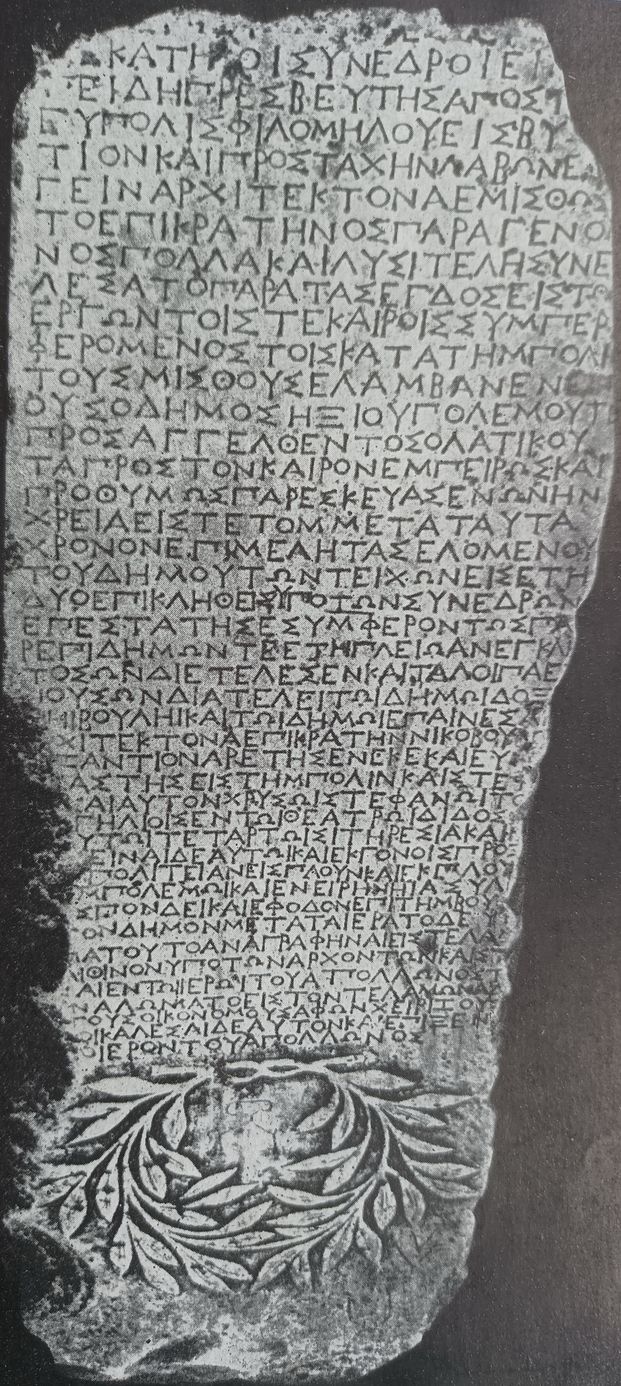
At the centre of this research stands the recently published volume, a work of exceptional scope and methodological rigour. Drawing upon more than 800 honorary inscriptions, alongside literary and prosopographical evidence, the study reconstructs both the institutional framework and the human dimension of benefaction in the Hellenistic and Roman Imperial periods. It demonstrates how acts of generosity were not merely economic gestures, but also key mechanisms in shaping civic identity, reinforcing social cohesion, and negotiating power within the polis. The project is distinguished by its multi-layered analytical approach. It combines a macro-historical perspective on the evolution of euergetism with detailed micro-historical case studies, including over ninety individual portraits of benefactors. These figures – ranging from local elites to transregional actors – are examined not only through the idealising lens of honorary decrees, but also within their broader social and political contexts. In doing so, the research advances current debates on elite self-representation, civic values, and the dynamics of centre–periphery relations in the ancient world.
A key strength of the project lies in its interdisciplinary methodology, integrating epigraphy, social history, and interpretative hermeneutics. This allows for a nuanced reading of fragmentary evidence and contributes significantly to the understanding of how public honour, civic responsibility, and cultural identity intersected in the Pontic cities – from Amastris to Tyras. Moreover, the study situates these local phenomena within wider networks of the Greek oikoumene, highlighting the transregional impact of Pontic benefactors.
Importantly, the project does not remain confined to the publication of a landmark volume. It continues to generate international academic engagement and visibility. This is exemplified by the forthcoming presentation entitled “Honorific Practices at the Periphery: Local Benefactors and Civic Identity in the Black Sea Greek Cities”, to be
delivered at the Institute for Advanced Study in Princeton. This invitation reflects the project’s strong resonance within global scholarly networks and its relevance to broader discussions on civic culture and social responsibility in antiquity.
Beyond its contribution to ancient history, the project offers a compelling interpretative framework for contemporary debates on public engagement and philanthropy. By illuminating the ethical and social dimensions of benefaction in antiquity, it invites reflection on the role of civic responsibility in modern societies.
In sum, Pontic Greek Cities and Their Benefactors stands as a flagship research project of the Institute of Archaeology in Iași: a work that combines exhaustive documentation, theoretical sophistication, and international impact. It not only consolidates the Institute’s position within the field of Classical Studies, but also actively contributes to shaping ongoing scholarly discourse at an international level.