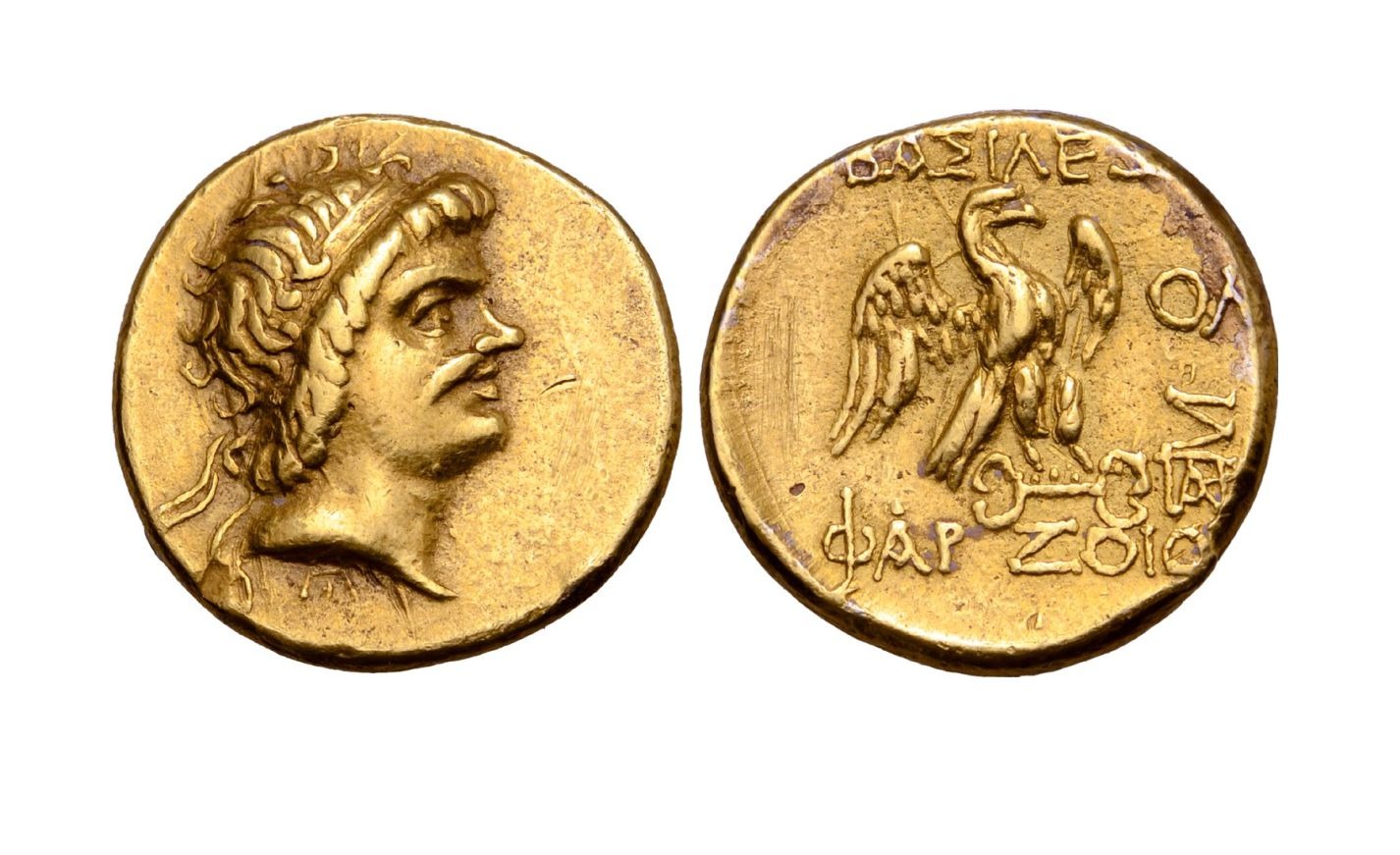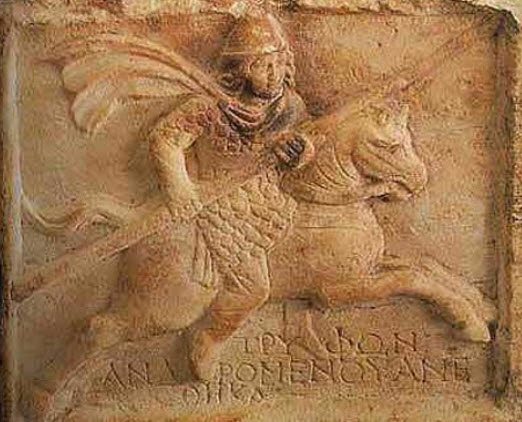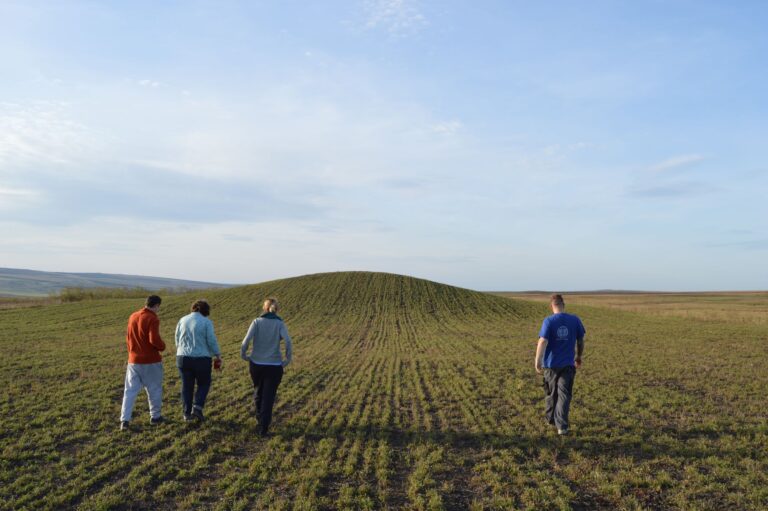
The project conducted by Dr. Lavina Grumeza aims to provide a synthetic and up-to-date reassessment of Sarmatian culture in the eastern Carpathian area, based on all known funerary discoveries dated to the 1st–3rd centuries AD. The research adopts an integrated approach to the study of nomadism on the western fringe of the Great Steppe, the geographical framework, Sarmatian identity as reflected in ancient written sources and prestige markers (tamga), as well as the main historiographical debates concerning migration and the so-called “Sarmatisation”.
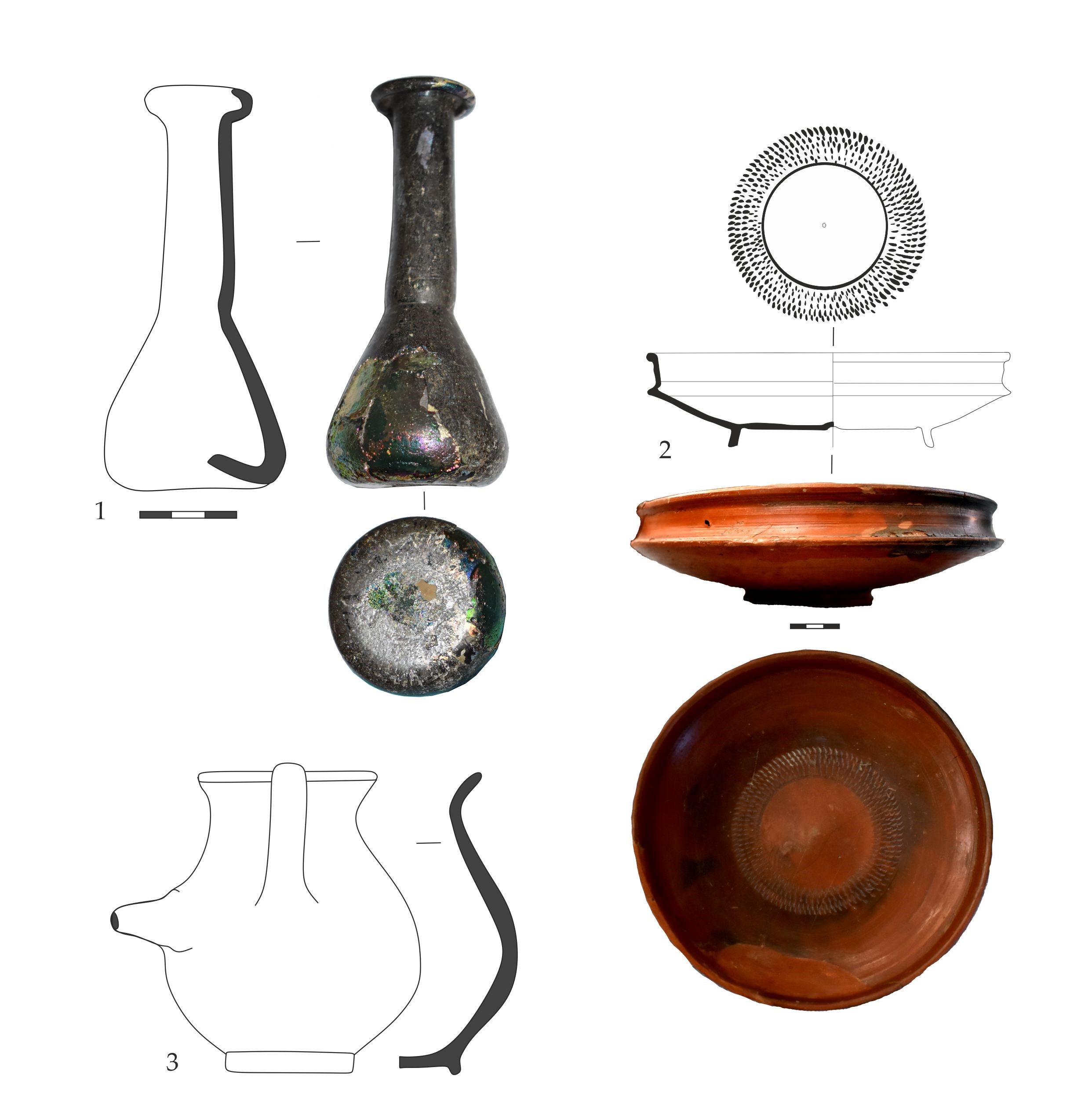
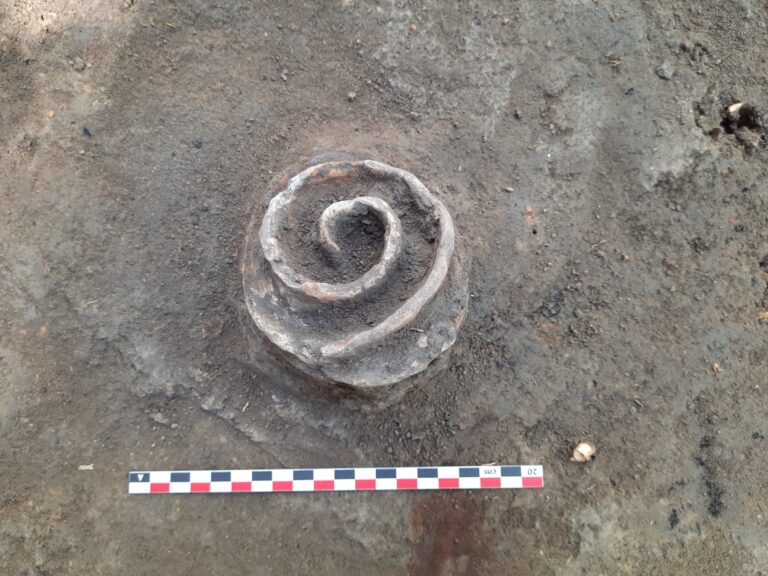
The core of the study consists of the archaeological and (bio)anthropological analysis of necropolises and graves, with a particular focus on funerary rituals, intentional cranial modification, patterns of violence, and the structure of the funerary inventory (ornaments, weapons, vessels, etc.). The project includes the compilation of an exhaustive catalogue of discoveries from the Moldavian counties, accompanied by a database that enables statistical and comparative analyses. By integrating new methodological approaches and recent interdisciplinary research, the project seeks to revise traditional interpretations and to situate the discoveries between the Carpathians and the Prut within a broader North Pontic and Eurasian context, offering both specialists and the interested public a coherent perspective on the Sarmatian world.