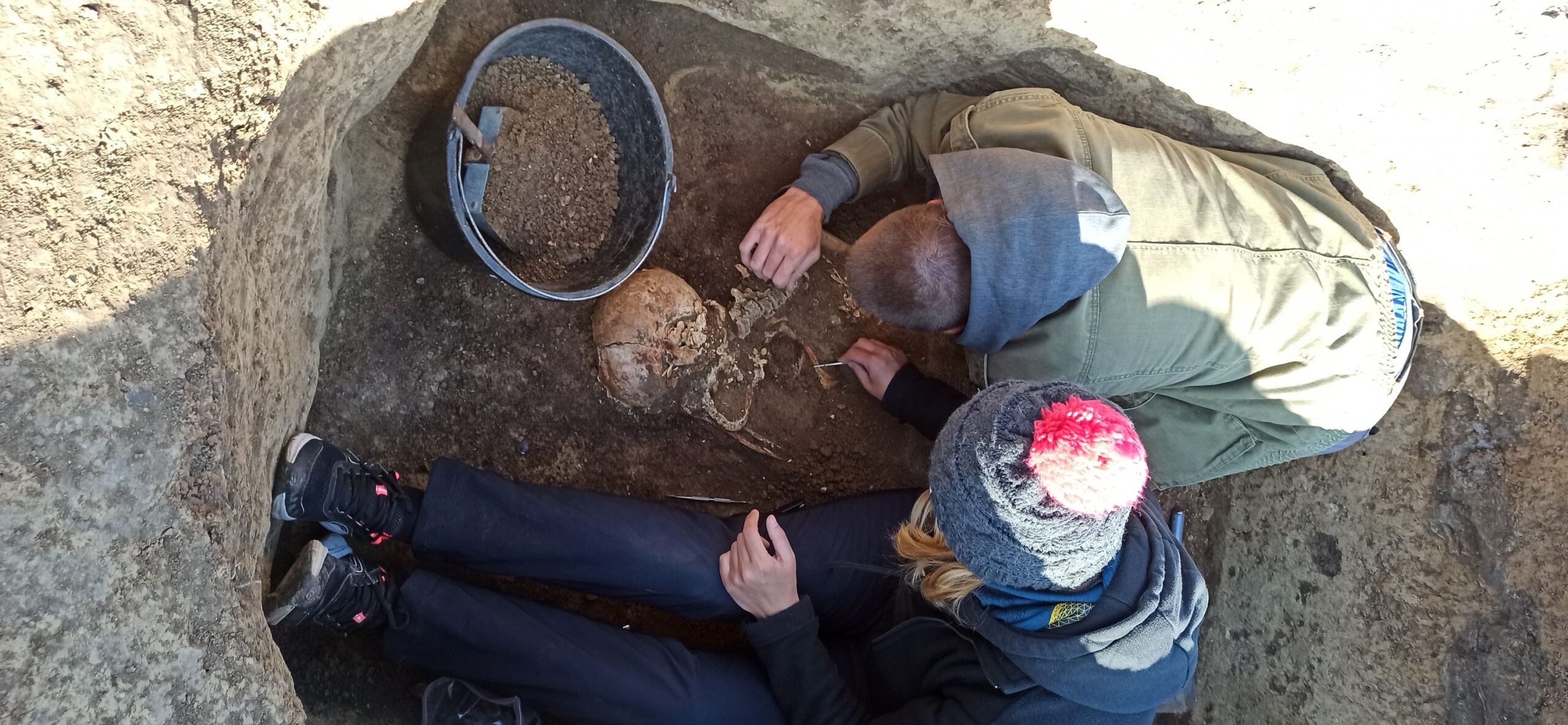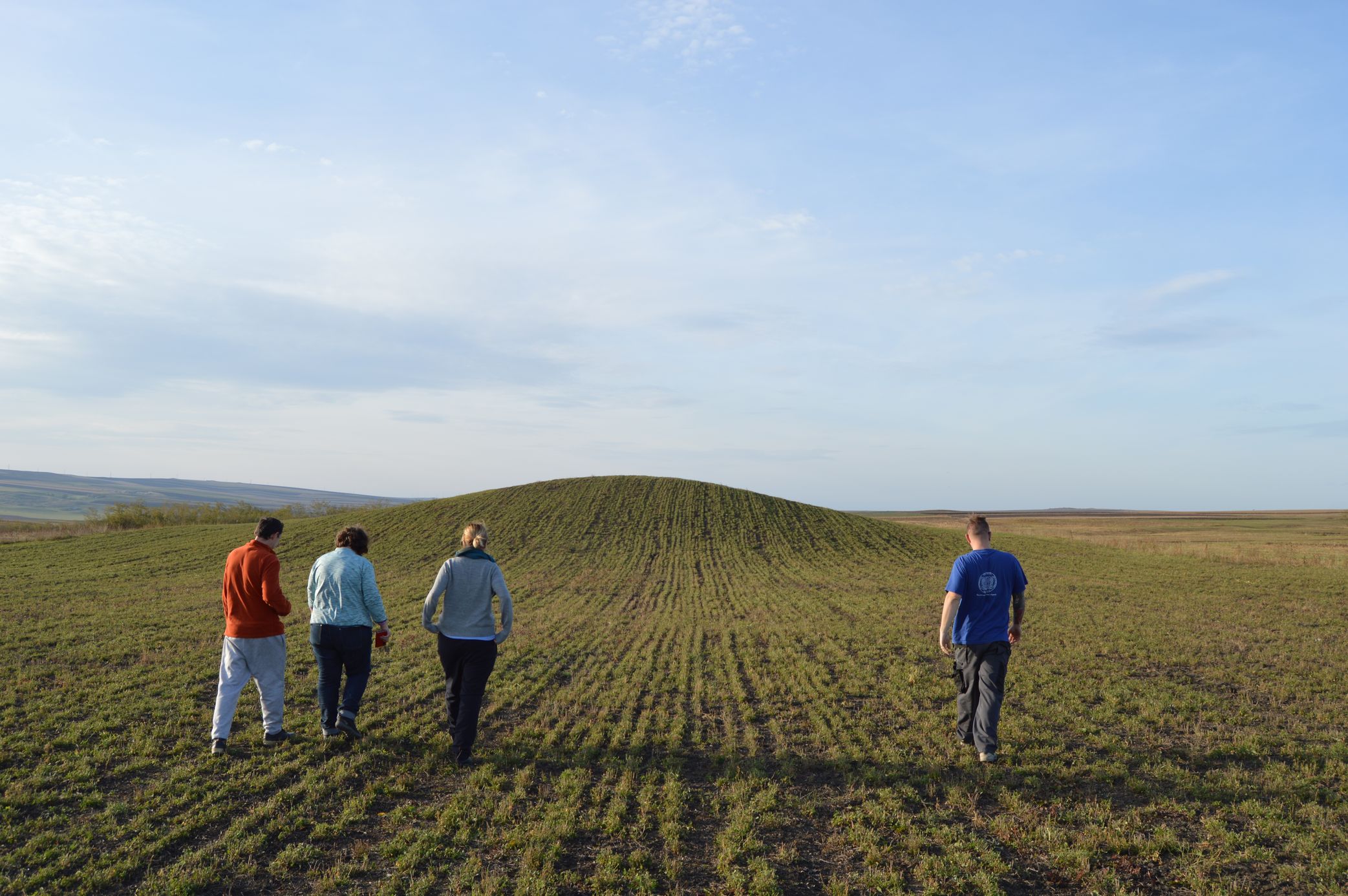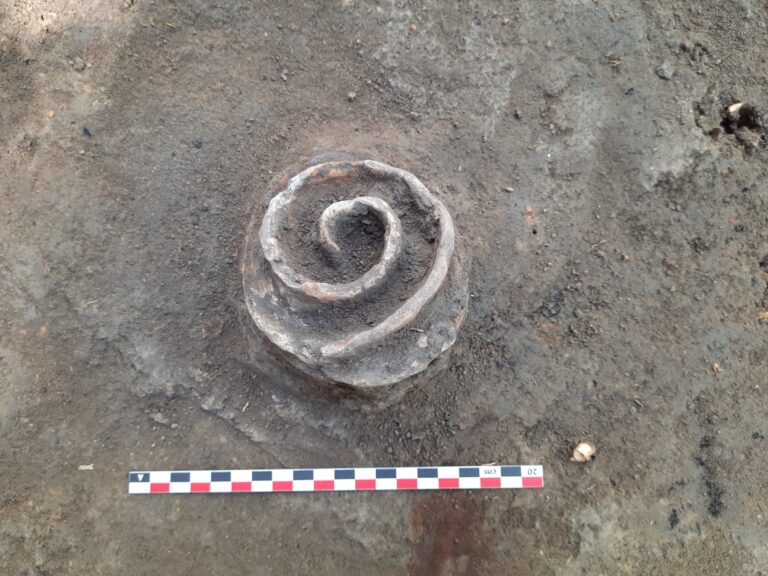
The project aims to systematically investigate, document, and interpret the burial mounds of north-eastern Moldova as key elements of the ancient cultural landscape. Through targeted archaeological exploration and non-invasive survey methods, the project seeks to identify, record, and catalogue mounds, documenting their physical characteristics, dimensions, construction features, and precise geographic locations.
A central objective is to establish a reliable chronological framework through archaeological excavation, relative and absolute dating methods, and comparative analysis. Particular emphasis is placed on understanding the cultural significance of these mounds within broader funerary, social, and territorial practices, as well as their role in shaping long-term human interaction with the landscape.
An interdisciplinary approach—integrating archaeology, landscape studies, anthropology, geophysics, and GIS analysis—forms the methodological core of the research. The project is developed through international collaboration between the the Institute of Archaeology in Iași, Botoșani County Museum, and the Opava Museum (Czech Republic), fostering comparative perspectives and methodological exchange in the study of burial landscapes.