The research project Fontes Sarmatarum orae septentrionalis Ponti Euxini, carried out by dr. Victor Cojocaru at the Institute of Archaeology in Iași, represents a major new step in the critical reassessment of the ancient history of the northern Black Sea region. Building upon the investigator’s substantial prior contributions to Pontic epigraphy and intercultural dynamics, the project aims to produce the first comprehensive and critically annotated compendium of written sources – both literary and epigraphic – concerning the Sarmatians in the northern Pontic area.
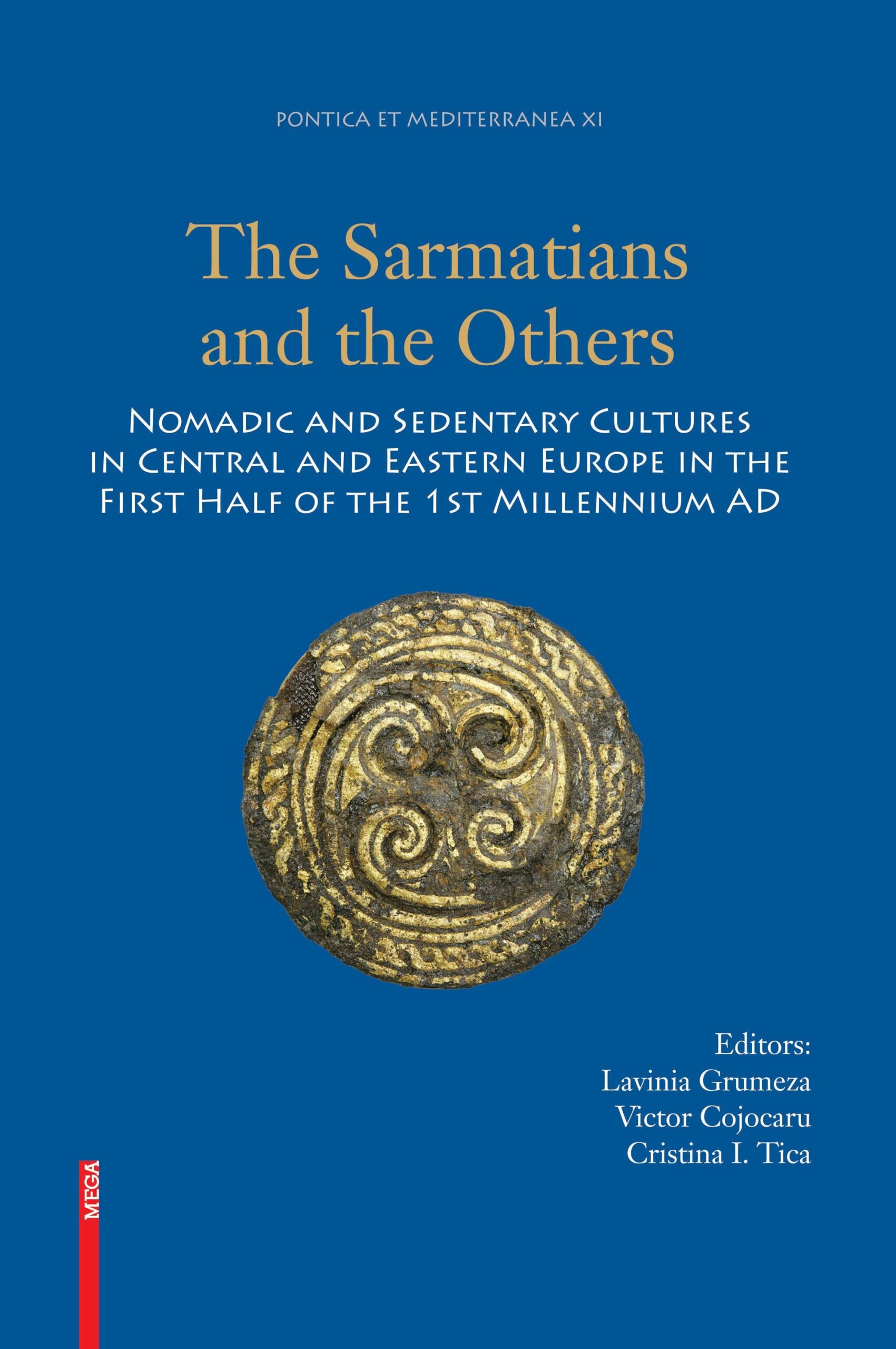
This ambitious undertaking is firmly grounded in earlier research achievements, including the collaborative volume “The Sarmatians and the Others: Nomadic and Sedentary Cultures in Central and Eastern Europe in the First Half of the 1st Millennium AD” (2024). That volume has already positioned the topic within a broader international scholarly debate on the interactions between nomadic and sedentary societies.
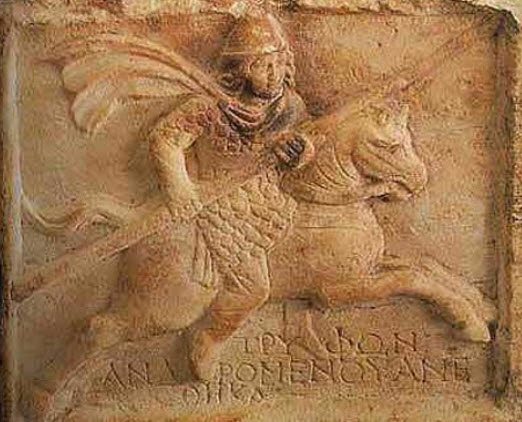
The present project advances this line of inquiry by focusing on the evidentiary foundations of Sarmatian studies, addressing long-standing methodological challenges and interpretative ambiguities. At its core, the project seeks to systematically collect, catalogue, translate, and critically reassess all relevant ancient testimonies regarding the Sarmatians and associated ethnonyms in the northern Black Sea region. By integrating epigraphic and literary data with onomastic, numismatic, and iconographic evidence, it proposes an innovative interdisciplinary framework capable of moving beyond earlier speculative or overly ethnicised interpretations. Particular attention is paid to the careful contextualization of fragmentary sources, ensuring a historically grounded and methodologically rigorous reconstruction of Sarmatian presence and influence.
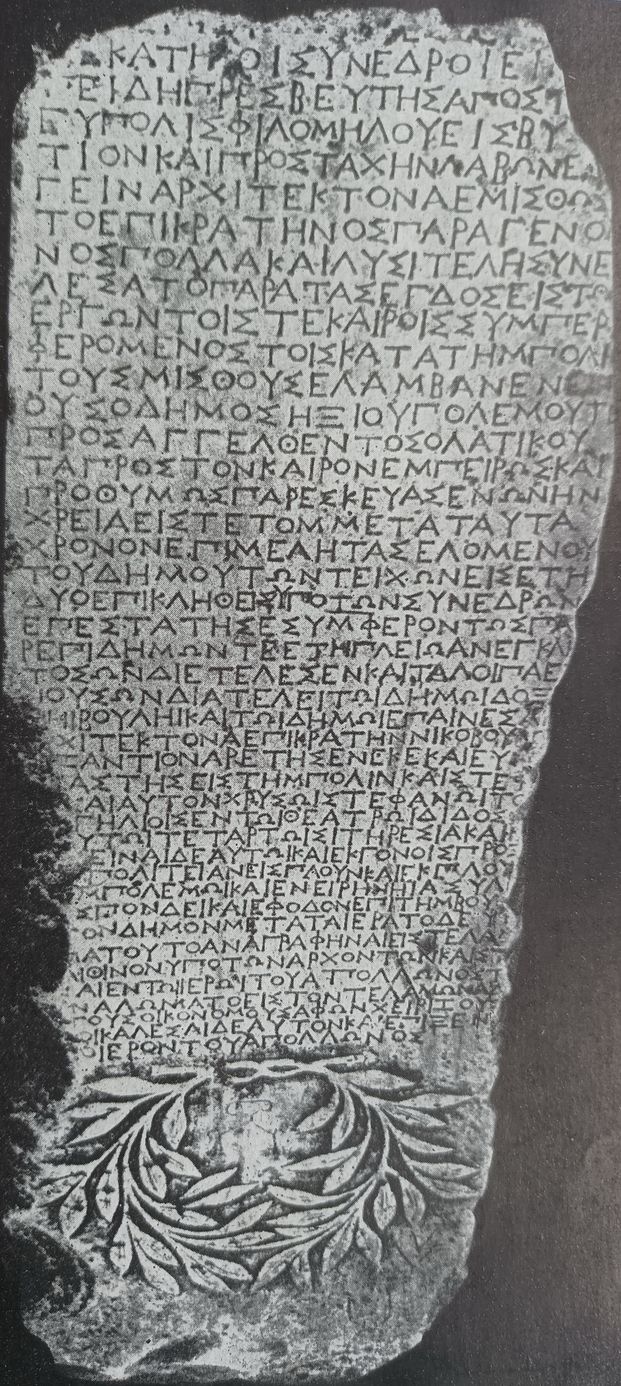
The relevance of such an approach is exemplified by key case studies previously investigated by the project leader, including the Greek inscription from Dragomirna, an important document for understanding Sarmatian interactions in the north-western Pontic area. These earlier contributions provide a solid empirical and interpretative
foundation for the current research, demonstrating both continuity and scholarly maturation.
The project is structured in three coherent phases. The initial stage (2025) focused on the exhaustive collection and cataloguing of sources, alongside a critical evaluation of previous scholarship. The second stage (2026) is dedicated to detailed analysis, translation, and commentary, as well as the integration of complementary datasets and the dissemination of preliminary results within the international academic community. The final stage (2027) will culminate in the publication of a major reference volume, intended as a standard reference work for future research on the Sarmatians and the wider Pontic world.
Beyond its immediate scholarly objectives, the project holds significant international potential. By offering a reliable, critically filtered corpus of sources and a robust methodological model, it will provide an indispensable tool for historians, archaeologists, and specialists in ancient intercultural relations. Moreover, it strengthens the visibility of the Institute of Archaeology in Iași as a centre of excellence in Classical and Pontic studies, fostering international collaboration and contributing to the advancement of interdisciplinary research.
Overall, Fontes Sarmatarum orae septentrionalis Ponti Euxini is not only a continuation of an already distinguished research trajectory, but also a forward-looking project with the capacity to reshape the study of Sarmatian history and its connections with the Greco-Roman world on a global academic stage.